Solar for Hospitals in Punjab: Cost, Benefits & Backup Options
Hospitals and healthcare facilities rely on electricity throughout the day and night. Lighting, ventilation, air conditioning, diagnostic equipment, computer systems and other essential services can contribute to substantial electricity consumption.
For hospitals in Punjab, rooftop solar can be one option for reducing grid electricity use and managing long-term energy expenses.
However, healthcare facilities have requirements that differ from ordinary homes and offices. Solar systems must be planned carefully, especially when backup power and essential medical equipment are involved.
This guide explains how hospitals can evaluate solar installation, choose a suitable system and plan for reliable operation.
Why Are Hospitals Considering Solar Energy?
1. High Electricity Consumption
Hospitals may use electricity for lighting, air conditioning, diagnostic equipment, lifts, IT systems and other building services.
A solar system can help offset part of this consumption when it generates electricity.
2. Daytime Electricity Demand
Many hospitals operate continuously, while clinics and outpatient facilities may have more concentrated daytime demand.
A solar assessment can identify how much electricity can be used directly during solar generation hours.
3. Long-Term Energy Planning
Solar can form part of a healthcare facility’s long-term energy strategy. The financial value depends on system cost, electricity tariffs, generation and maintenance.
4. Rooftop Utilisation
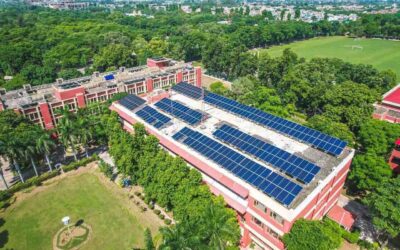
Hospitals may have rooftops or other suitable spaces that can be evaluated for solar installation.
5. Environmental Initiatives
Solar energy can support a hospital’s environmental and sustainability goals.
What Type of Solar System Is Suitable for a Hospital?
The appropriate system depends on the hospital’s grid connection, load profile, backup arrangements and operational requirements.
On-Grid Solar System
An on-grid system works with the electricity grid.
It may be considered when the primary goal is to reduce grid electricity consumption.
However, a standard on-grid solar system generally shuts down during a grid outage for safety. It should not be relied on to power essential medical equipment during a power cut.
Hybrid Solar System
A hybrid system combines solar generation, grid electricity and battery storage.
It may support selected loads during outages when correctly designed and installed.
The system must be engineered to determine which circuits receive backup, how much load can be supported and for how long.
Solar with Separate Backup Infrastructure
Some healthcare facilities may use solar alongside existing backup generators or other power systems.
The integration must be designed by qualified professionals so that solar equipment, backup systems and essential electrical circuits operate safely together.
How Much Solar Capacity Does a Hospital Need?
The required capacity depends on the facility’s energy consumption and site conditions.
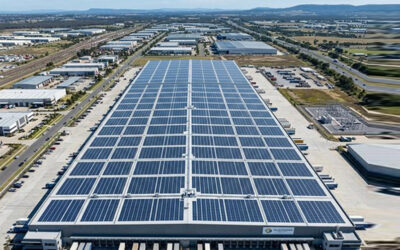
A small clinic may need a modest system, while a large hospital may require a much larger installation.
|
Approximate Capacity |
Possible Application |
|---|---|
|
5–10 kW |
Small clinic or selected facility loads |
|
10–25 kW |
Clinic or smaller healthcare building |
|
25–100 kW |
Larger healthcare facility |
|
100 kW+ |
Large hospital or campus |
These are illustrative examples, not sizing recommendations.
A hospital’s solar capacity should be determined using:
-
Electricity bills
-
Hourly or interval load data, if available
-
Daytime and nighttime demand
-
Critical and non-critical loads
-
Roof space and shading
-
Electrical infrastructure
-
Backup requirements
-
Future expansion plans
What Is the Cost of Hospital Solar Installation in Punjab?
There is no single fixed price for every hospital solar project.
The final quotation may depend on:
-
System capacity
-
Solar panel and inverter specifications
-
Mounting structure
-
Roof type and condition
-
Electrical infrastructure
-
Cable routing
-
Protection and earthing
-
Monitoring equipment
-
Battery storage, if required
-
Backup-system integration
-
Installation and commissioning requirements
A detailed site-specific quotation is important because healthcare facilities may have additional operational and electrical requirements.
How Can Solar Reduce a Hospital’s Electricity Costs?
Solar savings depend on the amount of solar electricity generated and how much the hospital can consume directly.
A hospital with significant daytime electricity demand may be able to use a large share of its solar generation on-site.
A reliable estimate should consider:
- Electricity consumption throughout the day
- Expected solar generation
- Electricity tariff and billing category
- Grid export and settlement rules
- System cost
- Maintenance expenses
- Battery costs, if applicable
Hospitals should request a financial assessment based on their actual electricity data rather than relying on a generic savings promise.
Why Backup Planning Is Especially Important for Hospitals
Hospitals may have equipment and services that require continuous or dependable power.
A rooftop solar system alone should not be treated as a substitute for a hospital’s required backup infrastructure.
Before installing solar, the facility should identify:
-
Critical medical equipment
-
Essential lighting and safety systems
-
IT and communication equipment
-
Equipment requiring uninterrupted power
-
Existing backup generators or UPS systems
-
Required backup duration
-
Load-priority arrangements
Any solar-plus-battery or backup integration should be designed and reviewed by qualified electrical professionals and the hospital’s technical team.
Should a Hospital Install Batteries With Solar?
Battery storage may be considered if the hospital wants to support selected loads during an outage or use stored energy at other times.
Battery requirements depend on:
-
Which loads need backup
-
Total power demand
-
Required backup duration
-
Battery chemistry and usable capacity
-
Charging and discharge strategy
-
Space and safety requirements
-
Compatibility with the inverter and electrical system
Batteries increase the initial project cost. A hospital should compare the cost and operational benefits against its existing backup arrangements.
What Rooftop Conditions Should Be Checked?
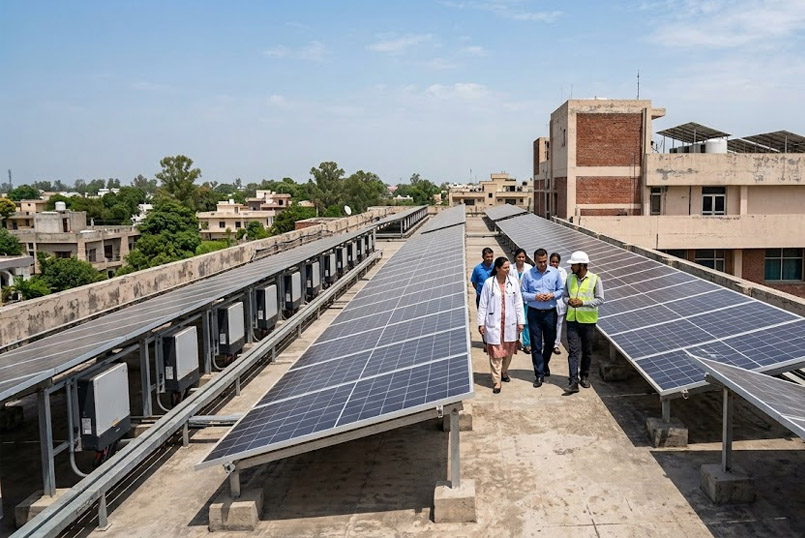
Before installation, the solar provider should assess:
Roof Structure
The roof must be suitable for the proposed equipment and mounting arrangement.
Available Area
Water tanks, HVAC equipment, access routes and other rooftop installations may reduce usable space.
Shading
Nearby buildings, trees and rooftop equipment can affect solar generation.
Electrical Infrastructure
The installer should assess the connection point, distribution equipment, cable routes and protection requirements.
Maintenance Access
The design should allow safe access for inspection and maintenance without obstructing hospital operations.
How to Choose a Solar Installer for a Hospital
Hospital solar projects require careful planning and clear communication.
Before selecting a provider, review:
-
Relevant installation experience
-
Site survey and system design process
-
Equipment specifications
-
Electrical safety provisions
-
Backup-system design, if applicable
-
Project schedule
-
Warranty terms
-
Monitoring arrangements
-
Documentation and commissioning
-
After-sales service
The installer should clearly explain what the solar system can and cannot power, particularly during a grid outage.
Solar Installation Planning for Hospitals
A hospital project may follow these general stages:
- Review electricity bills and consumption data.
- Identify critical and non-critical electrical loads.
- Inspect rooftop and electrical infrastructure.
- Determine suitable system capacity.
- Select the solar configuration and equipment.
- Review applicable approvals and metering requirements.
- Finalise installation planning around hospital operations.
- Install, test and commission the system.
- Establish monitoring and maintenance procedures.
The actual process may vary depending on the facility, system configuration and applicable requirements.
Why Choose A.P. Tech Solar?
A.P. Tech Solar helps businesses and institutions evaluate rooftop solar based on their electricity needs and site conditions.
For hospitals, clinics and healthcare facilities in Patiala and across Punjab, a project assessment can consider:
-
Electricity consumption
-
Rooftop suitability
-
System sizing
-
Equipment selection
-
Installation planning
-
Backup requirements
-
Applicable application-process guidance
-
Customised quotation
If your healthcare facility is exploring solar energy, contact A.P. Tech Solar to discuss your project requirements and arrange a site assessment.
Plan a solar solution around your facility’s energy needs and operational requirements.
Frequently Asked Questions
Can hospitals install solar panels in Punjab?
Hospitals can explore rooftop solar subject to site suitability, electricity-connection requirements and applicable approvals and metering rules.
Can solar panels run hospital equipment during a power cut?
A standard on-grid solar system generally shuts down during a grid outage. Backup requires a properly designed system with suitable backup equipment and approved electrical integration.
Is a 10kW solar system enough for a hospital?
It may suit some small clinics or selected loads, but larger facilities may require more capacity. The correct size depends on electricity consumption and site conditions.
Do hospitals need batteries with solar?
Not necessarily. Batteries may be useful when backup for selected loads is required. The decision depends on the hospital’s power requirements and existing backup systems.
How much can a hospital save with solar?
Savings depend on solar generation, on-site consumption, electricity tariff, project cost and the applicable grid-settlement arrangement.
Can hospitals receive residential solar subsidies?
Hospitals should not assume that residential subsidy schemes apply to their installations. Eligibility should be verified under current scheme rules and the facility’s consumer category.